
Iran Claims Total Control of Strait of Hormuz Amid Fears of US Attack
An Islamic Revolutionary Guard Corps commander, Mohammad Akbarzadeh, said Tehran is not looking to initiate conflict but is fully prepared for one. “Iran is not seeking war, but it is fully prepared,” he said. “If war breaks out, there will be no retreat, not even by a millimeter, and Iran will move forward,” he stressed.
Akbarzadeh explained that oversight of the strategically vital passage has evolved beyond conventional monitoring. He said management of the strait “has moved beyond traditional methods and is now fully intelligent,” enabling uninterrupted surveillance of maritime traffic as well as surface, subsurface, and aerial activity.
According to him, Tehran also determines whether ships sailing under various national flags are permitted to transit the waterway. “Iran also controls decisions on whether vessels flying different flags are allowed to pass through the strait,” he said.
While emphasizing that Iran does not want disruption to international markets, Akbarzadeh warned that adversaries would not gain from any conflict they initiate. “Iran does not want the global economy to suffer,” he said, adding that the US and its partners “will not be allowed to benefit from a war they start.”
He further cautioned that if neighboring states allow their territory, airspace, or waters to be used in actions against Iran, they would be regarded as adversarial. “This message has already been conveyed to regional parties,” he said.
The commander also hinted that Tehran has further capabilities that have not yet been disclosed, saying Iran possesses additional means “that will be revealed at an appropriate time.”
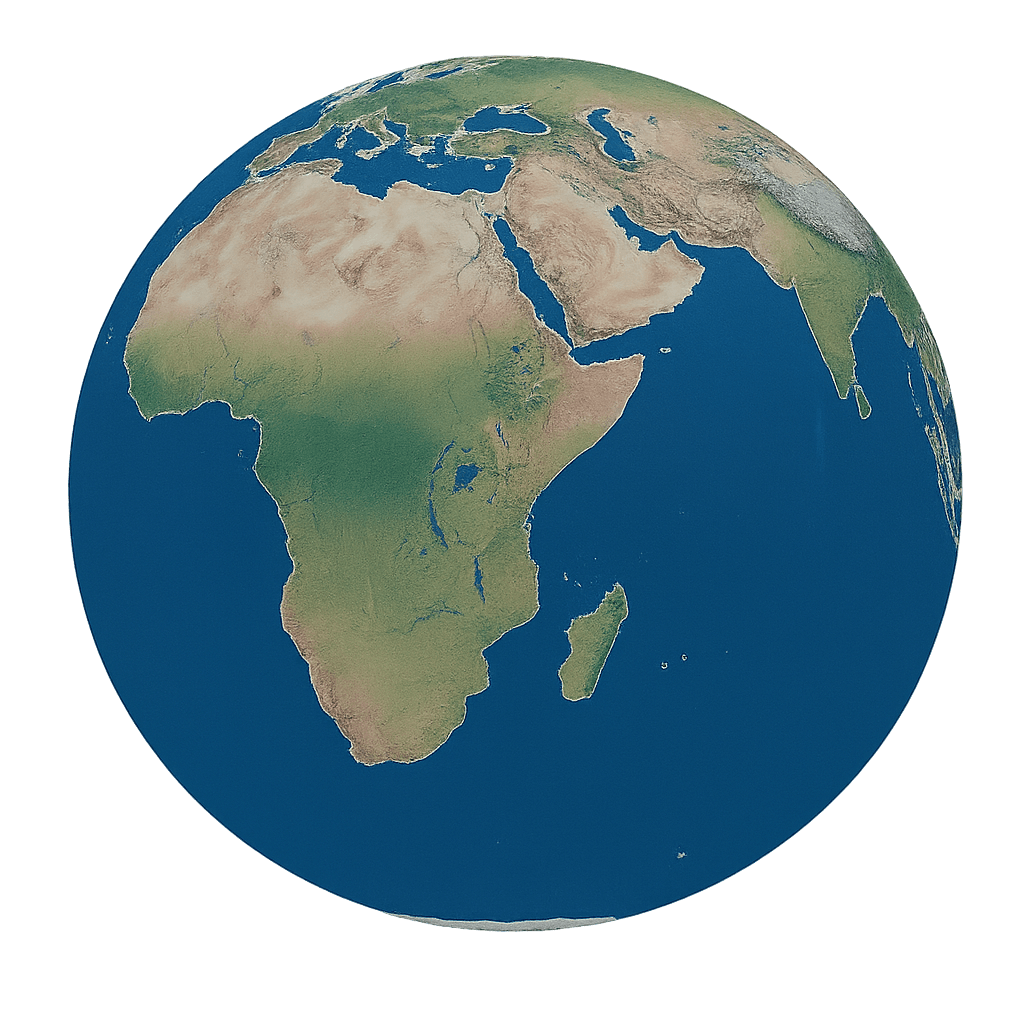
The Strait of Hormuz, a narrow maritime corridor linking the Persian Gulf with the Gulf of Oman, is one of the most critical energy transit routes in the world. It carries roughly one-third of global seaborne crude oil shipments and about one-fifth of total worldwide oil consumption, along with significant volumes of liquefied natural gas.
Each day, around 20 million barrels of oil and petroleum products pass through the strait, most of them bound for Asian markets, particularly China. A substantial share of Iran’s own oil exports is also shipped to China via this route.
Legal Disclaimer:
EIN Presswire provides this news content "as is" without warranty of any kind. We do not accept any responsibility or liability for the accuracy, content, images, videos, licenses, completeness, legality, or reliability of the information contained in this article. If you have any complaints or copyright issues related to this article, kindly contact the author above.
